Vinyl Fence Installation Bethlehem PA: Plan It Right

A vinyl fence can give a Bethlehem backyard the privacy and finished appearance many homeowners want without the regular staining, painting, or sealing required by wood. But vinyl fence installation Bethlehem PA is not simply a matter of choosing white panels and setting posts. The grade of the yard, the purpose of the fence, property lines, local requirements, and the quality of the installation all affect how the finished fence looks and performs.
For a fence that stays straight, secure, and attractive through Lehigh Valley weather, planning should come before product selection. Here is what homeowners and property managers should consider before work begins.
Start With What the Fence Needs to Do
Vinyl is available in far more than one standard privacy style. A solid-panel privacy fence works well when the goal is to block views from neighboring homes, define a patio, or create a more secluded space for children and pets. Semi-private styles allow light and airflow while still creating a clear boundary. Picket and ranch-rail designs are often a better fit when curb appeal, garden definition, or pet containment matters more than full visual screening.
The right height also depends on the job. A front-yard accent fence, a backyard privacy enclosure, and a pool barrier each have different design and compliance considerations. Before deciding on height or panel style, consider where people enter the yard, which views matter, how gates will be used, and whether the fence needs to accommodate pets, equipment, or service access.
For commercial properties, the conversation can be different. A vinyl fence may be appropriate for a customer-facing perimeter, multifamily common area, daycare, or decorative screen, while chain link or aluminum may be the more practical choice for high-security or industrial applications. A professional site review helps match the material to the property instead of forcing one product into every situation.
Vinyl Fence Installation in Bethlehem PA Starts With the Site
Bethlehem properties can vary significantly from one block to the next. A level suburban yard may allow for long, clean fence runs. An older property, a sloped lot, landscaping, retaining walls, or a tight side yard can require more detailed layout work. Fence panels need to follow the property intelligently, not just look acceptable from one angle.
On a slope, installers generally use one of two approaches. Stepped fencing keeps each panel level and drops the next section down as the grade changes. Racked fencing follows the slope more closely for a smoother line along the ground. The best approach depends on the style of vinyl fence, the degree of slope, and whether closing gaps at the bottom is important for pets or privacy.
Drainage deserves attention as well. Water that regularly runs along a fence line can affect soil conditions around posts and may create washout beneath panels. A good layout considers downspouts, swales, low spots, and gate locations before post holes are dug. Moving a fence line slightly or adjusting a gate placement can prevent an avoidable issue later.
Confirm Boundaries, Rules, and Underground Utilities
A new fence should be placed with confidence, not assumptions. Existing landscaping, old posts, and informal neighbor agreements do not always show the legal property line. If there is any uncertainty, a survey or clear boundary documentation is worth addressing before installation. It is much easier to make layout decisions before materials are installed than to move a completed fence afterward.
Homeowners should also check municipal requirements and any homeowners association guidelines that apply to the property. Rules may affect fence height, placement, materials, and visibility near driveways or corners. Pool enclosures can have additional safety requirements for fence height, gates, latches, and self-closing hardware. Requirements can vary, so the details should be verified for the specific address and project.
Underground utility marking is another necessary step. Utility lines, irrigation components, drainage pipes, exterior lighting wiring, and invisible pet fences can all be located near a planned fence line. Professional planning includes coordinating this work before excavation begins.
Why Post Installation Matters More Than Most Homeowners Expect
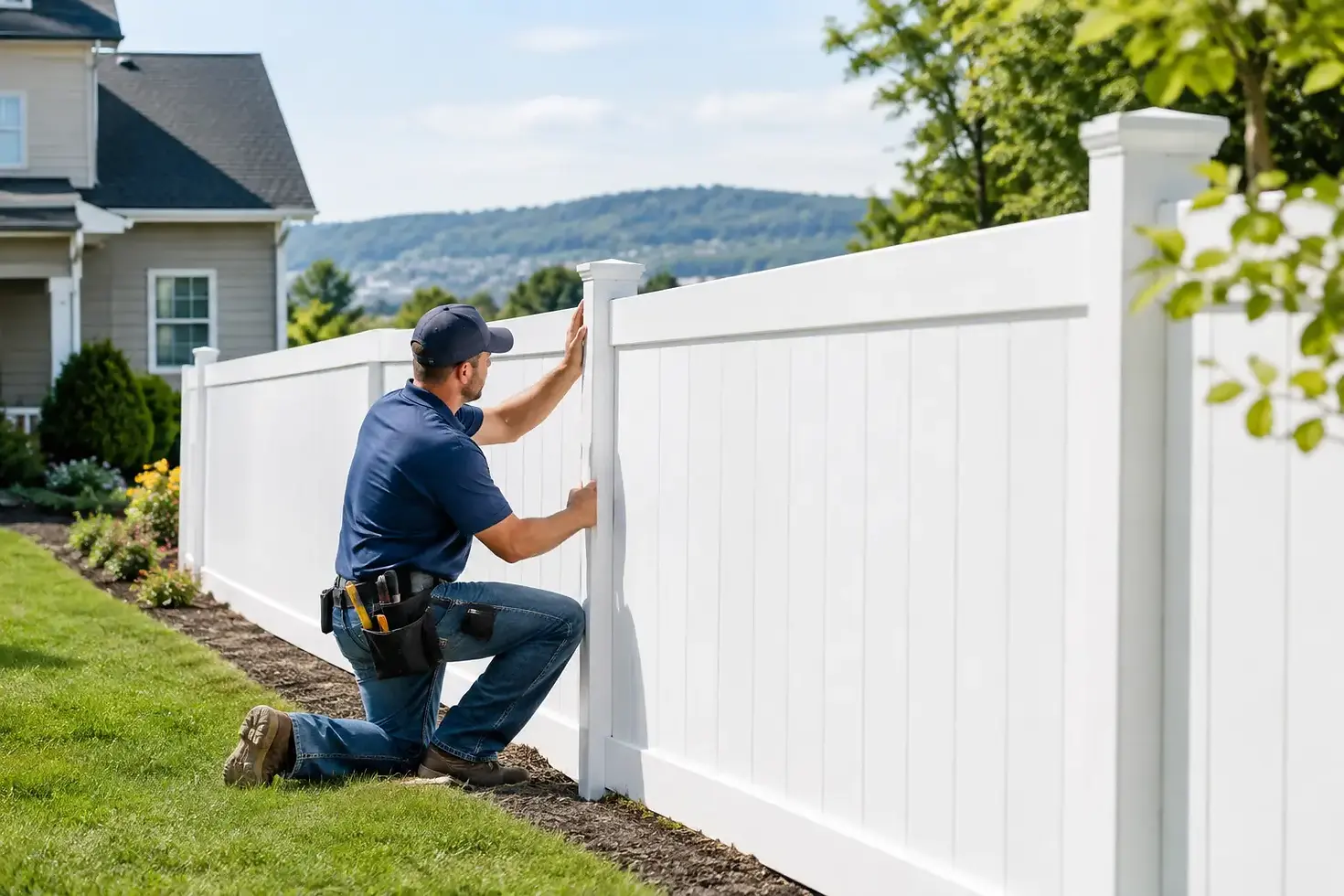
The posts are the foundation of a vinyl fence. Panels can look perfect on installation day, but poorly set posts may lead to leaning sections, uneven gates, or a wavy appearance over time. Proper spacing, depth, alignment, and support are what give a vinyl fence its clean, consistent lines.
In the Bethlehem area, seasonal temperature changes, precipitation, and freeze-thaw conditions make secure post installation especially important. The installation method should account for soil conditions, the fence design, gate weight, and the local environment. Gates need additional attention because they receive repeated movement and place more stress on hinge and latch posts than a standard fence section.
Quality vinyl systems are also designed to accommodate normal expansion and contraction. Vinyl moves somewhat as temperatures change. A professional installer understands how to assemble panels and rails so the fence has the needed room to perform without appearing loose or unfinished.
This is one reason a low bid is not always the best value. Two proposals may both describe a vinyl privacy fence, yet the post system, reinforcement, hardware, gate construction, material thickness, and installation practices can be very different. Ask what is included, how gates will be supported, and what workmanship protection comes with the project.
Choose Materials for Long-Term Performance
Vinyl fencing is popular because it offers a clean look with relatively simple maintenance. It does not require painting, and it resists many of the moisture-related concerns associated with untreated wood. For busy homeowners, that can mean more time enjoying the yard and less time maintaining the perimeter.
Still, not all vinyl fencing is equal. Better systems use quality components, dependable rails, and reinforced areas where the design calls for additional strength. A fence should feel appropriate for its role. A decorative picket boundary has different structural needs than a tall privacy fence exposed to wind across an open yard.
Color and style also deserve practical consideration. White remains a classic choice, while tan, gray, and wood-tone options can coordinate with siding, stonework, decks, and landscaping. Solid privacy panels provide the most screening, but a semi-private top accent or lattice detail can soften the appearance. If the fence will be highly visible from the street or neighboring homes, bringing a few design options into the planning stage can make a meaningful difference.
Plan Gates Around Daily Use
A gate is often the part of a fence homeowners use most, and it should be designed around real routines. A narrow walk gate may be enough for people and pets. Lawn equipment, trash bins, motorcycles, or larger backyard projects may call for a wider opening. Double gates can provide access for larger equipment when needed, but they require careful construction and a level, usable approach.
Think beyond the initial installation. Will the gate swing into a sloped yard? Is there enough clearance near a deck, air-conditioning equipment, or a garden bed? Does a pool gate need self-closing and self-latching hardware? Small decisions at the layout stage can make a fence more convenient for years.
What a Professional Installation Process Should Include
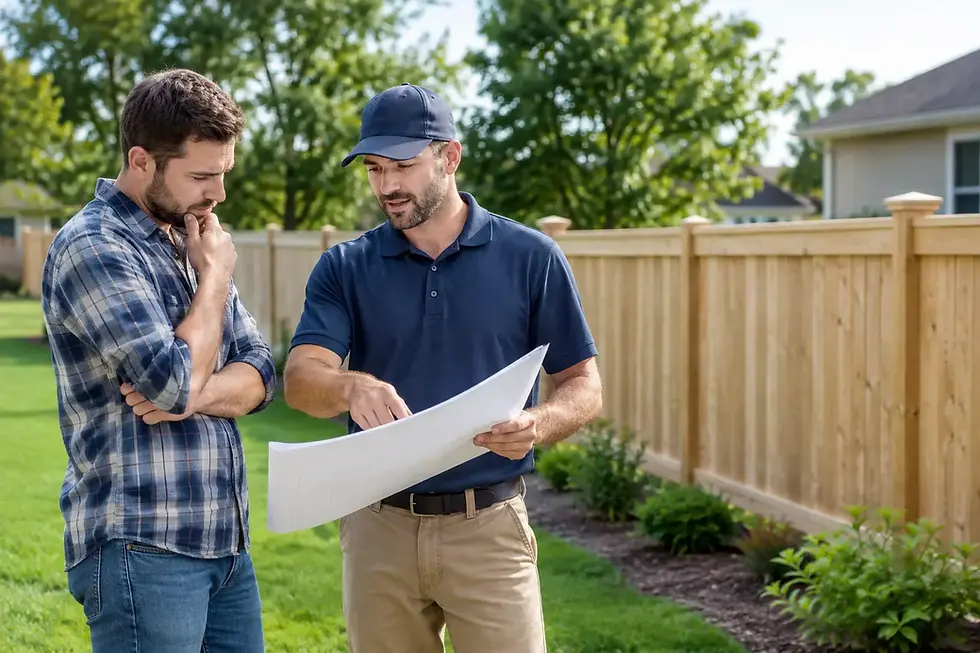
A dependable fence contractor should make the process clear from the first conversation through final cleanup. At Ekren Fence Company, that begins with understanding the property, the homeowner's goals, and the style that best fits the project. With more than 25 years of experience and over 10,000 completed projects, the team knows that accurate planning is part of quality installation, not an extra step.
A well-managed vinyl fence project typically includes these key stages:
A site visit to review goals, measurements, terrain, access, and potential challenges.
Material and style selection based on privacy, safety, appearance, and budget.
Layout planning that accounts for property lines, gates, slopes, utilities, and applicable local rules.
Professional post and panel installation with attention to straight lines, secure connections, and properly functioning gates.
A final walkthrough to confirm the finished fence meets expectations and the work area is clean.
Homeowners should also ask about warranty coverage and financing options when comparing contractors. A 5-Year Labor Warranty provides added confidence that the company stands behind its installation work. Free estimates make it easier to compare options before committing to a project.
Keep Your Vinyl Fence Looking Its Best
Routine care is straightforward. Most vinyl fences need only occasional cleaning with water, mild soap, and a soft brush or cloth to remove dirt, grass residue, or seasonal buildup. Avoid harsh abrasives that can dull the surface. After strong storms or winter weather, it is sensible to check gate operation and look for branches, soil movement, or other conditions affecting the fence line.
Landscaping should be kept trimmed away from the fence where possible. Shrubs and vines can trap moisture and debris, while heavy growth makes cleaning and inspection harder. If a panel, rail, or gate ever needs attention, addressing it early can help protect the rest of the system.
A vinyl fence should feel like a lasting improvement to the property, not another maintenance project on the weekend list. The best results come from choosing a style that suits the space and working with a local installation team that takes the details seriously from the first measurement to the final gate adjustment.