Privacy, Semi-Privacy, and Picket Fence Differences

A fence can change how a backyard feels from the moment it is installed. The right style can block a neighbor’s view, create a safer play area for children and pets, define a property line, or simply give a front yard a finished appearance. If you are asking, what is the difference between privacy, semi-privacy, and picket fencing?, the answer comes down to how much each design blocks, what it is meant to accomplish, and how it fits the character of your property.
For homeowners in the Lehigh Valley, the best choice is rarely just about appearance. Lot size, neighboring homes, sun and wind exposure, pets, pool requirements, maintenance preferences, and local regulations can all influence which fence will serve you best for years to come.
Privacy, Semi-Privacy, and Picket Fencing Compared
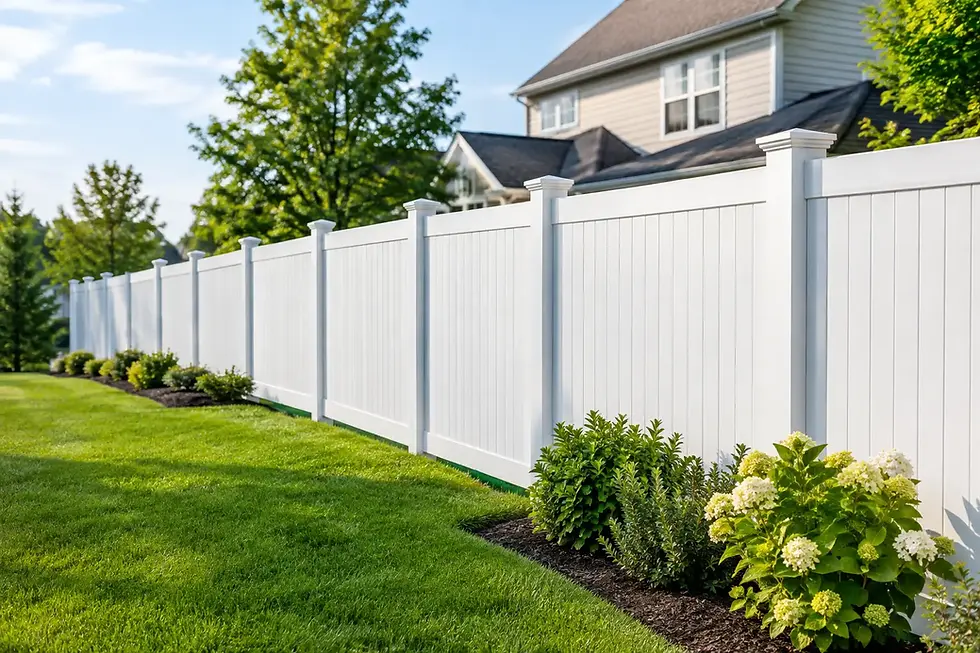
Privacy fencing uses tightly placed boards or solid panels with little to no space between them. Semi-privacy fencing includes small, consistent gaps that allow light and airflow while still limiting views. Picket fencing uses wider spaces between vertical pickets, creating a clear boundary without attempting to screen the yard.
These designs are not interchangeable. A homeowner who wants a secluded patio will usually be disappointed with a traditional picket fence, while a solid privacy fence can feel too enclosed around a small front yard. Start with the result you want from the fence, then choose a style and material that supports it.
Privacy Fencing: Built for Seclusion and Defined Boundaries
A privacy fence is designed to create a visual barrier. Its boards, panels, or interlocking vinyl sections sit close together, generally leaving no direct line of sight through the fence. Common heights range from 6 to 8 feet, although permitted height varies by municipality and where the fence sits on the property.
This is often the right choice for backyards near closely spaced homes, patios, hot tubs, outdoor dining areas, or active streets. It gives families a more private place to relax and provides a substantial boundary for dogs and children. A solid fence can also reduce the visual impact of a neighboring driveway, commercial area, or utility space.
Vinyl privacy fencing is a popular option because it offers a clean, finished appearance without the routine staining or painting required by wood. It is available in colors and panel styles that can complement newer homes as well as more traditional properties. Wood privacy fencing has a warmer, more natural look and can be customized with decorative tops, lattice accents, or horizontal boards. It does require periodic sealing, staining, or painting to help it stand up to Pennsylvania weather.
The trade-off is that solid fencing changes airflow. In an exposed yard, a privacy fence catches more wind than an open design, so proper post depth, spacing, and installation are especially important. It can also create shade around gardens or planting beds. Those are not reasons to avoid privacy fencing, but they are reasons to plan the layout carefully.
Privacy fences are typically more material-intensive than open styles, which can affect the project cost. They are also more visible from both sides, making a professional layout, straight lines, secure posts, and well-finished gates essential.
Semi-Privacy Fencing: Screening Without Closing Off the Yard
Semi-privacy fencing falls between a solid privacy fence and an open picket fence. It uses narrow gaps between boards, often just enough to let daylight and breezes pass through while making it difficult to see clear details from a distance.
This style is a practical fit for homeowners who want separation from neighbors but do not want their backyard to feel boxed in. It works well around patios, side yards, decks, and property lines where some screening is helpful but complete enclosure is unnecessary. The small gaps can also make the fence feel lighter and less imposing than a solid wall.
A semi-privacy design is not fully private at close range. If a neighbor can stand directly beside the fence, they may still see movement, light, or partial views through the openings. For a hot tub, changing area, or patio where complete visual coverage matters, a true privacy style is usually the better choice.
On the other hand, airflow is a meaningful advantage. The gaps allow wind to move through rather than press entirely against the fence. That can be helpful on open properties and can make outdoor areas more comfortable during warm weather. The design may also allow more sunlight into a garden than a solid panel fence.
Semi-privacy options are commonly available in wood and vinyl. Vinyl provides consistent spacing, low maintenance, and a crisp appearance. Wood can be built in a range of patterns and can be a good choice when homeowners want a custom look that matches an existing deck, shed, or landscape design.
Picket Fencing: Open, Welcoming, and Decorative
Picket fencing is the most open of the three styles. Vertical pickets are attached to horizontal rails with noticeable gaps between them. It defines the edge of a property while preserving views into and out of the yard.
A picket fence is often chosen for front yards, gardens, walkways, and homes where curb appeal is the main goal. It can keep small children or pets within a defined space when built at the appropriate height and spacing, but it does not offer meaningful privacy. Its open construction also means it will not block road noise or hide nearby activity.
The appeal of picket fencing is its classic, friendly look. A white vinyl picket fence can frame a landscaped front yard with very little upkeep. Wood picket fencing offers traditional character and can be painted or stained to coordinate with the home. Aluminum styles can provide a similarly open appearance with a more refined, ornamental look, although they are usually not described as traditional picket fencing.
Picket spacing deserves careful attention for pet owners. A small dog may fit through wide gaps, while a larger dog may lean on or push against a lighter fence. The fence height, picket spacing, gate latch, and ground clearance should all be selected around the specific pet, not just the style of the home.
For pools, a decorative picket-style fence may be appropriate only if it meets applicable local pool-barrier requirements. Height, latch placement, gate swing direction, and opening sizes matter. Never assume a fence that looks secure automatically qualifies as a compliant pool enclosure.
How to Choose the Right Fence Style for Your Property
The clearest way to choose is to identify the main job the fence needs to do. If privacy is the priority, choose a solid privacy design. If you want partial screening with better airflow and more natural light, semi-privacy is often the better balance. If the goal is curb appeal, garden definition, or an open front-yard boundary, picket fencing is usually the natural fit.
It also helps to consider where the fence will be placed. Many properties use more than one style successfully. For example, a homeowner may install privacy fencing along rear and side property lines, then use a lower picket fence across the front yard. This approach can protect backyard comfort without making the entire property feel closed off.
Material should be part of the decision from the beginning. Vinyl is low maintenance and consistent in appearance. Wood offers flexibility and natural character but needs more upkeep. Aluminum is durable and elegant for open boundaries, while chain link can be a cost-effective option for pet containment or larger areas where privacy is not required.
Before installation, confirm your property line, review any HOA requirements, and check local height and permit rules. Conditions can vary across Allentown, Bethlehem, Easton, and surrounding communities. A professional fence contractor can help evaluate slope, drainage, access, gate placement, utility locations, and the requirements that apply to your project.
The Details That Make a Fence Work Better
Style is only one part of a successful fence project. Gate placement affects how easily you can move lawn equipment, trash bins, or outdoor furniture. Post installation affects how the fence performs through freeze-thaw cycles, wind, and years of everyday use. On a sloped yard, a fence may need to be stepped or racked so it follows the grade while maintaining appropriate clearance.
The finished side of the fence also matters. Many homeowners prefer the more attractive side to face outward toward neighbors or the street. This creates a polished appearance and can reduce future friction over shared property lines. For privacy and semi-privacy designs, decorative post caps, lattice tops, and gate hardware can add character without sacrificing the fence’s primary purpose.
With more than 25 years of experience, Ekren Fence Company helps homeowners choose fencing that fits both the property and the way it will be used. A thoughtful fence plan can give you the privacy you want, the airflow you need, or the curb appeal that makes your home feel more complete - without paying for features that do not serve your goals.
The best next step is to walk your property with the end use in mind: where you sit, where your children or pets play, what you want to screen, and what you still want to see. That perspective usually makes the right fence style much easier to recognize.