

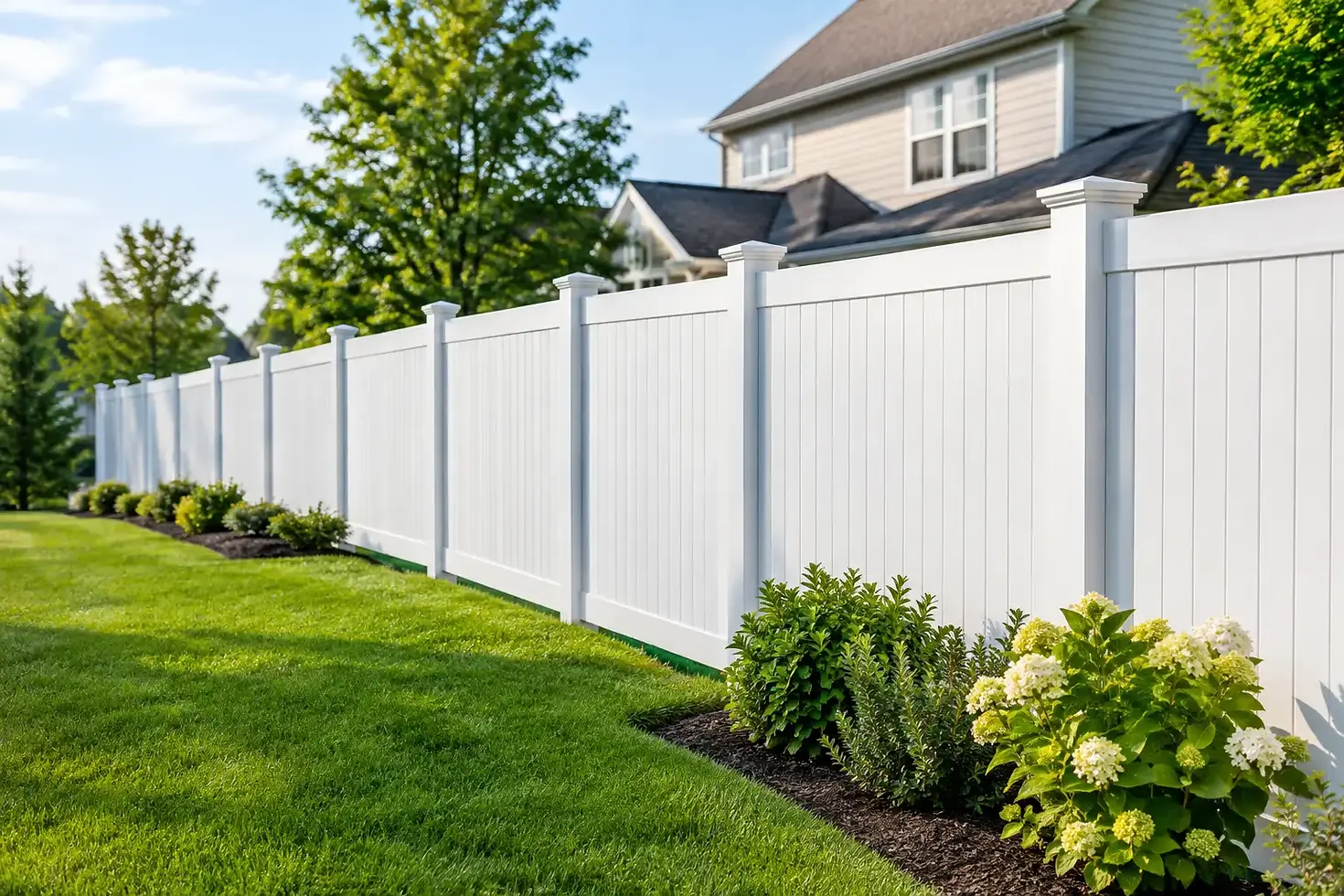
Allentown Vinyl Fence Installation Costs in 2026

A vinyl fence can make an Allentown backyard feel finished quickly - but the right design and installation details determine whether it still looks straight and performs well years later. For homeowners planning vinyl fence installation in Allentown, PA in 2026, the real questions are usually how much it will cost, which style fits the property, and what must happen before the first post is set.
Vinyl is a strong choice for homeowners who want dependable privacy, pet containment, pool-area definition, or a clean perimeter without routine painting or staining. It is not automatically the best choice for every lot, however. Terrain, gate locations, local requirements, and the amount of privacy needed all affect the best fence plan and the final installed price.
What Does Vinyl Fence Installation Cost in Allentown in 2026?
Most professionally installed vinyl fencing in the Allentown area falls roughly between $25 and $55 or more per linear foot in 2026. A basic open-picket fence typically lands toward the lower end of that range. A tall privacy fence with premium panels, multiple gates, challenging grades, or extensive site preparation can reach the higher end.
For perspective, a straightforward 150-linear-foot vinyl privacy fence may often cost approximately $5,000 to $8,500 installed. A larger 250-linear-foot project with gates and upgraded features may fall closer to $8,500 to $14,000 or more. These are planning ranges, not a substitute for an on-site estimate. Fence layout and property conditions can change a quote substantially.
Material quality matters. Thicker vinyl components, reinforced rails, dependable post systems, and well-built gates cost more than lightweight options, but they also help the fence stay stable through Lehigh Valley weather. A lower initial price can become less attractive if panels flex excessively, gates sag, or posts shift after seasonal freeze and thaw cycles.
What drives the final price?
Fence height is one of the largest cost factors. A 6-foot privacy fence requires more material than a 4-foot decorative fence, and taller sections may involve different local considerations. The selected style, total footage, number of corners, gates, and decorative post caps also influence the total.
Site access is just as important. An open, level backyard is generally more efficient to fence than a narrow side yard with landscaping, retaining walls, mature roots, slopes, or limited equipment access. Removing an old fence, hauling away debris, and working around underground utilities can add labor as well.
Gates deserve careful attention in any estimate. A properly installed walk gate or double-drive gate needs sturdy posts, correct clearance, quality hardware, and enough room to operate without dragging. It is one of the most-used parts of a fence, so this is not the place to cut corners.
Popular Vinyl Fence Styles for Allentown Properties
Vinyl fencing is available in more than the standard white privacy panel. The right style should solve a practical need while fitting the home, yard, and surrounding neighborhood.
Full-privacy vinyl fencing
A solid privacy fence is the most common choice for backyards, patios, hot tubs, and properties near busy streets. Six-foot privacy panels create visual separation and can make outdoor spaces more comfortable for families, pets, and entertaining. Some homeowners prefer a solid top rail, while others choose lattice or decorative accents near the top to soften the appearance.
Privacy fencing works especially well where neighboring homes sit close together. Still, homeowners should consider sunlight and airflow. A fully enclosed yard offers privacy, but it can also create shade along garden beds and reduce breezes in a small space.
Semi-privacy fencing
Semi-privacy vinyl styles use narrow spacing or shadowbox-style panel details to provide screening without fully closing off the yard. This option suits homeowners who want a defined boundary and partial privacy while keeping a lighter, more open look.
It can be a practical middle ground for side yards, patios, and neighborhood lots where a tall solid fence may feel too enclosed. The level of visibility varies by panel design, so reviewing samples before choosing is worthwhile.
Vinyl picket fencing
Picket fencing is a classic option for front yards, gardens, walkways, and property definition. It adds curb appeal and can help contain small pets, depending on picket spacing and fence height. Because it does not provide meaningful privacy, it is often paired with a different fence style in the rear yard.
A picket fence may be a better fit than a tall privacy fence when preserving sightlines matters. Corner lots, attractive landscaping, and homes with a traditional exterior often benefit from its more open appearance.
Ranch rail and decorative styles
Open rail vinyl fencing can define a larger property without creating a closed-in look. It is commonly used for visual boundaries and may be paired with wire mesh when pet containment is needed. Decorative options, including arched sections, lattice tops, and contrasting accents, allow homeowners to match a fence more closely to their home’s character.
Planning Vinyl Fence Installation in Allentown, PA
A professional installation begins well before materials arrive. The first step is confirming where the fence belongs. A survey is the most reliable way to identify property lines, particularly when a fence will run near a neighbor’s yard, driveway, or easement. Existing fences are not always placed exactly on the boundary.
Homeowners should also check municipal requirements and any homeowners association rules. Permit requirements, allowable heights, setback rules, and visibility standards can vary by location and by whether the fence is in a front, side, or rear yard. Pool fencing has additional safety requirements, including gate and latch considerations. A qualified local fence contractor can help identify the questions that need answers, but the property owner should make sure approvals are addressed before work begins.
Underground utility marking is another essential step. Electric, gas, communications, water, and other lines may cross a yard in places that are not obvious from the surface. Fence posts must be located safely, and private lines such as landscape lighting or invisible pet fencing should be identified separately when applicable.
Why post installation matters
Vinyl panels get most of the attention, but posts carry the system. In this region, posts need to be set with the local climate in mind. Proper hole depth, stable footing conditions, alignment, and adequate curing time all help prevent movement.
Installers also need to account for grade changes. A fence can follow the slope of a yard or step down in level sections. Following the grade creates a continuous lower line, while stepping can create a more level appearance on significant slopes. Each method has trade-offs for appearance, privacy at the bottom of the fence, and pet containment.
Gate posts typically require extra reinforcement because gates place repeated stress on the fence structure. For wide gates, reinforced posts and carefully selected hardware help preserve smooth operation over time.
Should You Install a Vinyl Fence Yourself?
A do-it-yourself vinyl fence project can look appealing on paper, especially for a short, level run with no gates. Homeowners may save on labor, but the work still requires accurate layout, post-hole equipment, utility coordination, level lines, concrete handling, panel cutting, and adjustments for ground conditions.
The risk is not just a crooked panel. Incorrectly spaced posts can make standard panels difficult to install. Shallow or poorly set posts may move, and an improperly built gate can become frustrating almost immediately. Repairs often require more than replacing one part because panels, rails, and posts work as a system.
Professional installation is usually the better value when the project includes a long run, privacy fencing, slopes, multiple gates, old-fence removal, or a pool enclosure. It also gives homeowners a clear point of contact if adjustments are needed after the work is complete.
Choosing a Fence Contractor
Look for a local fence company that will evaluate the actual property rather than quote only from a rough footage number. A useful estimate should address fence style and height, gate locations, material details, removal needs, site conditions, and any anticipated permit considerations. Ask how posts and gates will be installed, what is included in cleanup, and what workmanship coverage is provided.
Ekren Fence Company brings more than 25 years of fencing experience and over 10,000 completed projects to homeowners throughout the Lehigh Valley. A 5-Year Labor Warranty provides added confidence that the work is backed by a team focused on proper installation and long-term customer satisfaction.
A well-planned vinyl fence should do more than mark the edge of a lot. Whether the priority is privacy, pets, pool safety, or a cleaner-looking yard, a free on-site estimate can turn the right style and layout into a fence built for the way you use your property.


