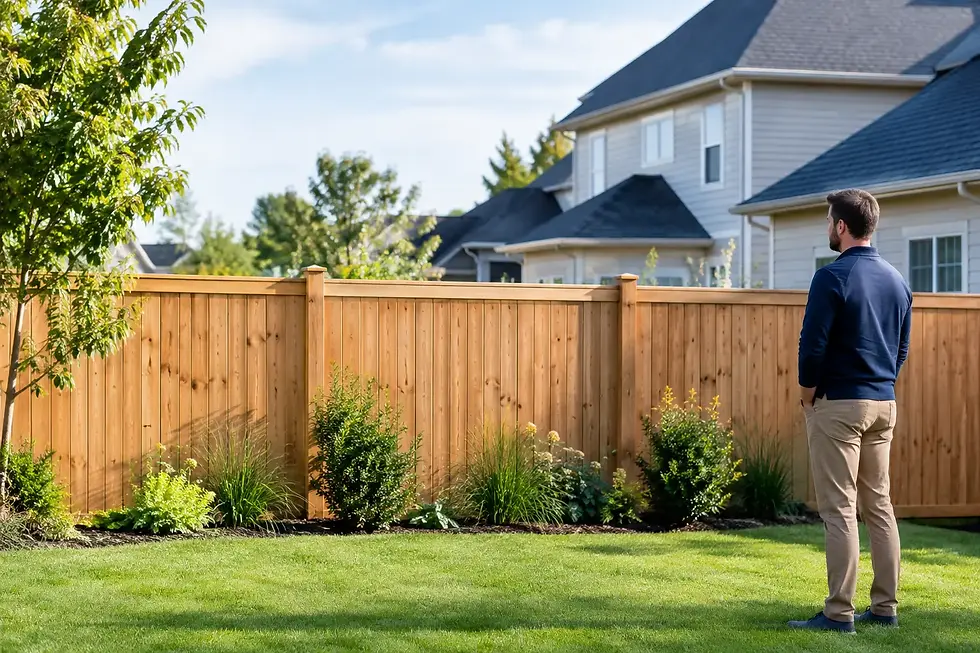
How to Handle Fence Laws With a Wind Gap Neighbor

A fence can settle a boundary question for years, or create one overnight if it is installed a few inches onto the wrong property. Knowing how to handle property line and fencing laws with a Wind Gap neighbor starts well before posts are set. Confirm the line, understand the local rules that apply to your parcel, and have a direct conversation with the neighbor whose property shares that edge.
For homeowners in and around Wind Gap, the goal is not simply to get a fence built quickly. It is to protect your investment, preserve a workable neighbor relationship, and install a fence that provides the privacy, safety, pet containment, or curb appeal you want without an avoidable dispute.
Start With the Actual Property Line
A fence line that looks obvious is not always the legal property line. An old row of shrubs, a retaining wall, a driveway edge, or a previous fence may have been treated as the boundary for decades without matching the deed or survey. This is especially common when an older fence has been replaced more than once.
Your deed, plot plan, and mortgage survey can provide useful starting information, but they may not be detailed enough to support a new installation along a contested or uncertain boundary. Look for recorded plans, iron pins, stakes, monuments, and dimensions listed in your documents. If you cannot locate markers or the information is unclear, a licensed land surveyor is the right professional to establish the boundary.
A fence contractor can measure accurately for installation, but a contractor does not replace a surveyor when the property line itself is in question. That distinction matters. Professional fence installation should follow a known boundary, not guess at one.
Why a Survey Can Be Worth the Cost
A current survey can feel like an added expense, particularly for a simple backyard fence. However, it can be far less expensive than moving a completed vinyl, wood, aluminum, or chain link fence after a neighbor objects. It also gives you documentation if you sell the property, make future improvements, or need to explain why the fence was placed where it was.
If the boundary is well marked and both owners agree on its location, a new survey may not be necessary. If there is any uncertainty, conflicting paperwork, missing pins, or tension with a neighbor, it is usually wise to resolve that uncertainty first.
Talk With Your Wind Gap Neighbor Before Work Begins
Pennsylvania law and local rules do not always require a neighbor's approval for a fence built entirely on your property. Still, advance communication is one of the simplest ways to avoid conflict. Let your neighbor know the planned fence location, height, material, gate placement, and approximate construction schedule.
This conversation is particularly valuable for privacy fences. A six-foot wood or vinyl fence can change sunlight, views, landscaping access, and the appearance of both yards. The neighbor may have a concern you can address easily, such as placing the finished side toward their property, moving a gate away from a shared driveway, or preserving access to a utility feature.
Do not assume a verbal agreement gives you rights to install directly on the boundary or use the neighbor's land during construction. If you and a neighbor intend to share the cost of a boundary fence or agree to put a fence directly on the line, put the agreement in writing. It should cover ownership, materials, maintenance, repairs, replacement decisions, access, and what happens if either property is sold.
Check Wind Gap Rules Before Choosing a Fence
Fence requirements are often controlled at the municipal level, along with zoning rules, building permits, easements, and subdivision regulations. Wind Gap Borough may have requirements that differ from a nearby township, so the rule for a friend in another part of Northampton County may not apply to your property.
Before finalizing a design, confirm the requirements with the local zoning or code enforcement office. Ask whether a permit is needed and whether the rules change based on the fence's location or purpose. Front-yard fencing, corner lots, pool enclosures, commercial sites, and properties within a homeowners association can all have additional restrictions.
Questions to Ask the Municipality
Ask about maximum fence height in front, side, and rear yards; required setbacks from streets and sidewalks; corner-lot sight-distance rules; and any restrictions on materials or fence opacity. If the fence surrounds a pool, ask about required height, self-closing or self-latching gates, and other safety requirements.
Also ask whether there are rules for the finished side of the fence. Many homeowners prefer to face the more polished side outward toward a neighbor or street. Even where that is not a local requirement, it is often a considerate choice and can improve the appearance of the property.
Permit approval does not determine the private property line. Likewise, a survey does not eliminate the need to follow zoning and safety rules. Both pieces need to be right.
Watch for Easements, Utilities, and Drainage
A property owner may own the land but still be limited by an easement. Utility easements can allow electric, gas, water, sewer, cable, or telecommunications providers access to a portion of the property. Installing a permanent fence across an easement may be allowed in some situations, but the fence could need to be removed later for utility work at the owner's expense.
Before digging, arrange for underground utilities to be marked through the appropriate Pennsylvania utility notification process. Marked lines do not identify every private line, such as irrigation, landscape lighting, invisible pet fencing, or a private gas line to an outdoor feature. Discuss those items before installation as well.
Drainage deserves the same attention. A fence should not block a swale, concentrate runoff toward the neighbor's yard, or interfere with a shared drainage path. If the property slopes, fence design and grading may need to work together. A small adjustment in panel height, ground clearance, or post placement can prevent water from becoming a neighbor dispute later.
Choose a Fence Layout That Respects the Boundary
Even after the property line is confirmed, installing a fence exactly on it is not always the best choice. Many homeowners place the fence slightly inside their property. This keeps the entire structure, including posts and footings, on their land and leaves no question about ownership.
The trade-off is maintenance. If the fence sits inside the line, you remain responsible for the narrow strip of land on the outside of the fence. Consider whether you can mow it, whether the neighbor will maintain it with permission, and whether the layout leaves enough room for repairs. On a tight lot, those practical details can influence the best placement.
Material selection matters, too. Vinyl fence offers low-maintenance privacy and a clean finished appearance. Aluminum fence works well when homeowners want visibility, pool safety, or a decorative boundary. Wood provides a traditional look and design flexibility, while chain link can be an economical option for pets, gardens, and larger property lines. The right material should fit the property, local requirements, and the relationship between privacy and visibility that you want along the shared boundary.
When a Neighbor Disagrees
If a neighbor says the planned fence crosses the line or violates a restriction, pause before construction. Ask what information supports the concern and compare the documents. A professional survey may resolve the disagreement quickly when the issue is a missing marker or an assumed boundary.
Keep conversations factual and calm. Avoid moving markers, removing an existing fence, or beginning work in the hope that the issue will disappear. If the disagreement involves ownership, an encroachment claim, a recorded easement, or an agreement you do not understand, consult a Pennsylvania real estate attorney. A fence company can provide installation guidance, but legal advice should come from a qualified attorney.
For a fence that is already installed and appears to cross the line, do not ignore the issue. The practical options may include moving the fence, documenting a written agreement, or seeking legal guidance. The right path depends on the survey, local rules, the age of the fence, and the facts of the specific property.
Work With a Contractor Who Plans Before Digging
A quality fence project begins with more than selecting a style from a catalog. Your contractor should discuss your goals, review the proposed layout, identify grade changes and access concerns, and explain what information is needed before installation. Clear planning is especially valuable on shared lot lines, near pools, or on properties with easements and uneven terrain.
Ekren Fence Company helps Lehigh Valley property owners plan residential and commercial fencing around real site conditions, from privacy fence layouts to durable perimeter and pool fencing. With professional installation and a 5-Year Labor Warranty, the focus stays on craftsmanship that is built to last.
A respectful conversation, a confirmed boundary, and the right local approvals create a much better foundation than rushing to install. Once those details are handled, your new fence can do what it should: define your property clearly and make it more enjoyable to use.