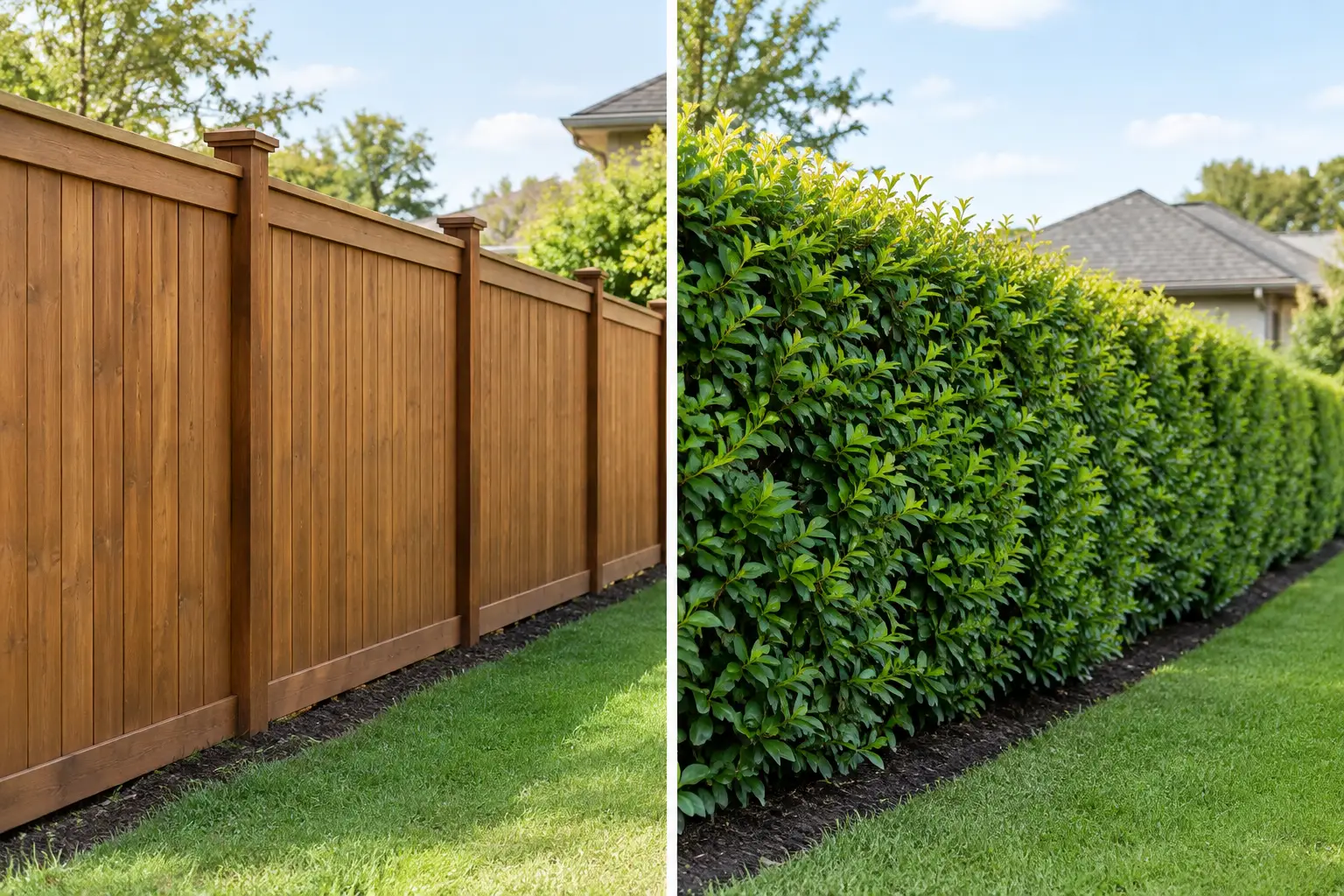
Should I Repair or Replace my fence?
Deciding whether to repair or replace your fence can be a tough choice. Fences protect your property, provide privacy, and add to your home’s curb appeal. But when problems arise, knowing the best course of action depends on the type of fence you have and the issues it faces. This post breaks down common problems with wood, vinyl, aluminum, and chain link fences to help you make an informed decision.

Common Problems with Wood Fences
Wood fences are popular for their natural look and versatility, but they require regular maintenance. Here are typical issues:
Rot and Decay
Wood is vulnerable to moisture. If the fence posts or panels sit in wet soil or are exposed to rain without protection, rot can set in. This weakens the structure and causes boards to crumble or fall apart.
Warping and Splitting
Changes in temperature and humidity cause wood to expand and contract. Over time, this leads to warped or split boards that don’t fit together properly, reducing privacy and security.
Insect Damage
Termites and carpenter ants can bore into wood, causing hidden damage that compromises the fence’s strength.
Fading and Peeling Paint
Sun exposure fades paint or stain, and moisture causes peeling. This not only affects appearance but also leaves wood exposed to further damage.
When to Repair:
Small sections with minor rot or a few warped boards can be replaced. Sanding and repainting can restore appearance. Treating insect damage early can save the fence.
When to Replace:
If multiple posts are rotted or the fence leans significantly, replacement is safer. Extensive insect damage or widespread warping means repairs won’t last.
Common Problems with Vinyl Fences
Vinyl fences are low maintenance and resistant to rot, but they have their own challenges:
Cracking and Breaking
Vinyl can become brittle over time, especially in cold climates. Impact from lawn equipment or falling branches can crack panels.
Discoloration and Staining
Dirt, mold, and mildew can stain vinyl fences. While cleaning helps, some discoloration may be permanent.
Loose or Broken Posts
Posts can loosen if the ground shifts or if installation was poor. This causes the fence to wobble or lean.
Warping from Heat
Extreme heat can cause vinyl panels to warp or bow, affecting the fence’s straight lines.
When to Repair:
Replacing cracked panels or tightening loose posts can extend the fence’s life. Power washing removes most stains.
When to Replace:
If many panels are cracked or warped, or if posts are severely unstable, replacement is a better investment.

Common Problems with Aluminum Fences
Aluminum fences are durable and rust-resistant but not immune to problems:
Dents and Bends
Aluminum is lightweight and can dent or bend from impacts like falling limbs or accidental hits.
Loose or Broken Fasteners
Screws and brackets can loosen over time, causing panels or gates to sag.
Oxidation and Fading
While aluminum doesn’t rust, it can oxidize, leading to a dull finish. Sun exposure fades paint or powder coating.
Gate Malfunctions
Hinges and latches may wear out, making gates hard to open or close.
When to Repair:
Small dents can sometimes be hammered out. Tightening or replacing fasteners and lubricating gate parts can restore function.
When to Replace:
If the fence has widespread damage or corrosion, or if gates are beyond repair, replacement may be necessary.
Common Problems with Chain Link Fences
Chain link fences are affordable and practical but show wear in different ways:
Rust and Corrosion
The metal links and posts can rust, especially if the protective coating wears off.
Sagging or Leaning
Posts may lean if the ground shifts or if they were not set deeply enough.
Broken or Missing Links
Links can break or become detached, creating gaps.
Gate Issues
Gates may sag or fail to latch properly due to worn hinges or posts.
When to Repair:
Rust spots can be treated and repainted. Straightening posts and replacing broken links can restore security.
When to Replace:
If rust is widespread or posts are severely damaged, replacement is safer and more cost-effective.

How to Decide Between Repair and Replacement
Consider these factors when deciding:
Extent of Damage
Small, localized damage favors repair. Widespread issues suggest replacement.
Fence Age
Older fences nearing the end of their expected lifespan may be better replaced.
Cost Comparison
Get estimates for repairs and replacement. Sometimes repairs add up close to replacement costs.
Aesthetic Goals
If you want a fresh look or upgraded materials, replacement makes sense.
Maintenance Willingness
Wood fences require ongoing care. Vinyl and aluminum need less. Choose based on your willingness to maintain.
Tips to Extend Fence Life
Inspect your fence regularly for early signs of damage.
Clean fences annually to prevent buildup of dirt and mold.
Treat wood fences with sealant or stain every few years.
Trim plants and trees near fences to avoid damage.
Secure loose posts and tighten hardware promptly.