

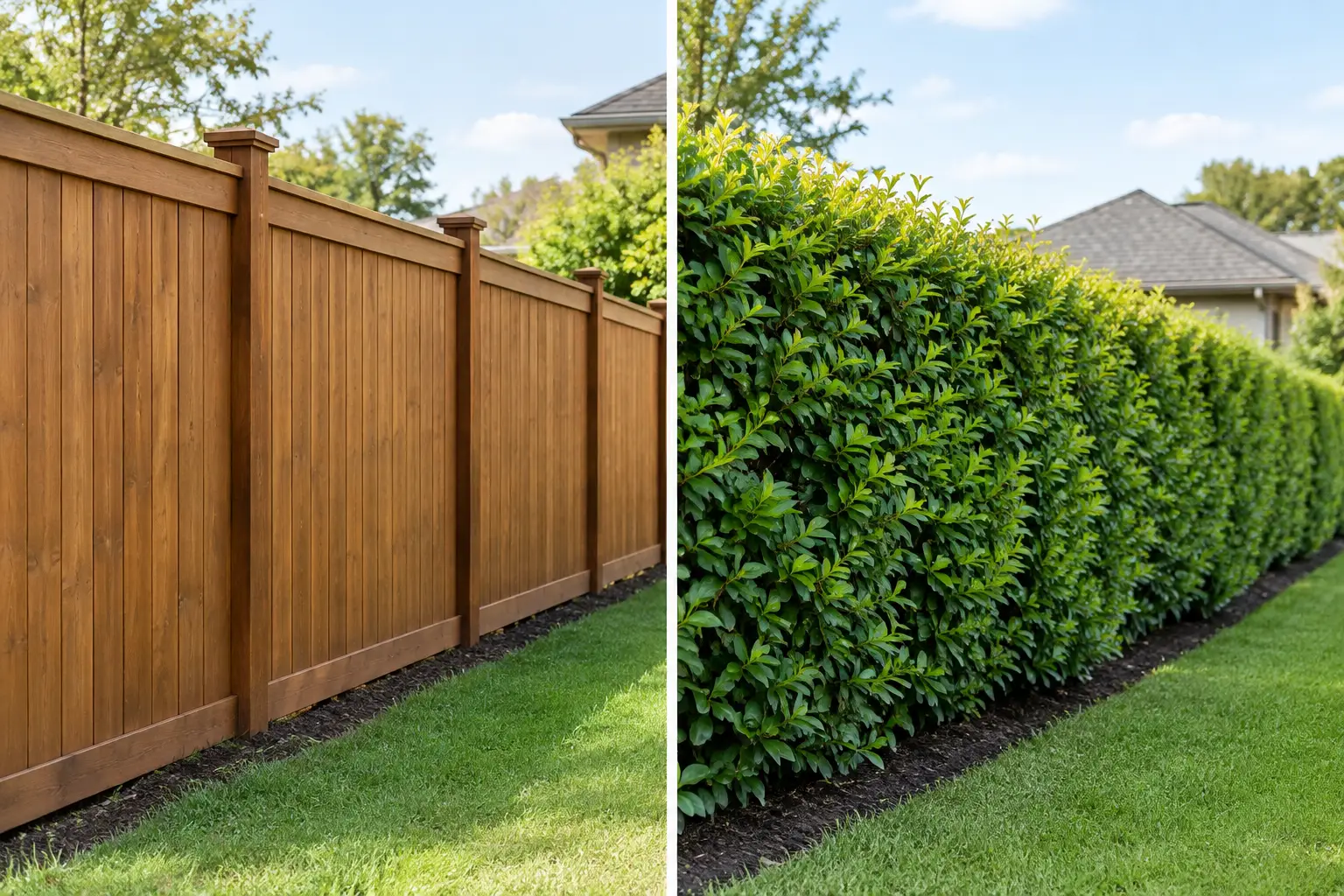
Privacy Fence Versus Hedge: Which Fits Best?

A backyard can feel exposed long before it is truly open. Maybe a new neighbor cleared trees, a second-story deck looks directly into your patio, or your dog has started treating the property line as a suggestion. When comparing a privacy fence versus hedge, the better choice comes down to how quickly you need coverage, how much maintenance you want to take on, and what your property can support over time.
Both options can improve privacy and curb appeal, but they solve different problems. A professionally installed fence creates a defined, secure boundary on day one. A hedge offers a softer, living screen that can become beautiful and substantial, but it takes time, care, and enough growing space to do its job.
Privacy Fence Versus Hedge: Start With What You Need
The first question is not which option looks better. It is what you need the boundary to accomplish. If your primary goal is immediate privacy from nearby homes, a solid vinyl or wood privacy fence is usually the clear answer. Once installation is complete, it blocks sightlines at the chosen height without waiting through several growing seasons.
A hedge may be a better fit when you want a natural landscape feature and are comfortable with gradual results. Evergreen varieties can provide screening throughout the year, while deciduous hedges lose much of their coverage in winter. That distinction matters in the Lehigh Valley, where a backyard that feels private in July can become noticeably exposed after leaves fall.
Security and containment also change the decision. A hedge can discourage people from cutting across a yard, but it does not provide the reliable physical barrier needed for pets, young children, pool areas, or controlled access. A fence can be designed with gates, latches, proper spacing, and a consistent perimeter. For many homeowners, that practical function is worth more than the softer look of greenery alone.
How a Privacy Fence Compares With a Hedge
Privacy and speed
A fence is the fastest route to dependable privacy. Vinyl privacy fencing, for example, uses interlocking panels that create a solid, clean surface. Wood privacy fencing can be built in several styles and can be customized for a more traditional or natural appearance. Either material can be planned around the sightlines that matter most, such as a patio, pool deck, outdoor kitchen, or neighboring windows.
A hedge needs time to fill in. Even larger nursery plants leave gaps at installation, and those gaps can remain for years depending on the species, soil conditions, watering, sunlight, and spacing. Planting too closely may create quick visual coverage, but it can also lead to crowding, disease, and weak growth later.
If the need is immediate, a hedge generally cannot compete with a fence. Some property owners choose a fence first, then plant shrubs or ornamental trees in front of it for a layered result. That approach delivers privacy now while allowing the landscape to mature at its own pace.
Upfront cost and long-term value
Costs vary by property size, terrain, material, height, access, and site preparation. A fence is typically a larger upfront investment because it requires materials, posts, concrete, labor, layout, and professional installation. However, the cost is more predictable. Once the project is designed, homeowners have a clearer understanding of what they are receiving and when it will be complete.
A hedge can appear less expensive at first, especially when smaller plants are used. The long-term cost deserves equal attention. Plants may need regular watering, mulch, fertilizer, pruning, pest treatment, replacement after winter damage, and professional trimming as they grow taller. Mature evergreen screening can become costly to maintain if it is difficult to access or has outgrown the available space.
A quality vinyl privacy fence has minimal routine upkeep. Wood requires more maintenance, including periodic staining or sealing, but it can be repaired section by section and offers a classic appearance many homeowners prefer. The right comparison is not simply fence cost versus plant cost. It is the complete cost of achieving and maintaining the level of privacy you want.
Maintenance requirements
Hedges are living features. That is part of their appeal, but it is also their responsibility. They need consistent care in their early years, particularly during hot, dry periods. They also need pruning to stay dense and keep their shape. Without regular attention, a hedge can become thin at the bottom, uneven across the top, or too wide for the planting bed.
A fence needs far less ongoing work, especially vinyl. Occasional cleaning can remove dirt, pollen, and lawn clippings. Wood fencing needs more care, but professional construction matters greatly: correctly set posts, quality fasteners, appropriate ground clearance, and well-built gates help the fence perform through changing weather.
Pennsylvania winters add another consideration. Heavy snow, freeze-thaw cycles, ice, and saturated soil affect both options. Evergreens can suffer broken branches or browning, while a properly installed fence needs posts set to appropriate depths and materials selected for outdoor durability. Installation quality is not a small detail. It often determines whether a fence remains straight and functional years after the project is finished.
Appearance and curb appeal
A hedge creates a softer property edge and can make a backyard feel like part of the landscape rather than a separate enclosure. It may suit homes with established gardens, wooded lots, or a preference for natural screening. Seasonal color, flowers, and wildlife habitat can add to the appeal, depending on the plants selected.
A fence creates a more defined visual structure. White vinyl can give a property a crisp, finished appearance, while wood can complement traditional homes and landscaped yards. A privacy fence does not have to feel plain. Board styles, decorative accents, caps, gates, and thoughtful placement can make it feel intentional and attractive.
The most successful choice often considers the home from both sides of the property line. A fence faces neighbors every day, and a hedge may eventually spread beyond its intended footprint. Selecting a solution that looks finished, fits the lot, and respects the surrounding neighborhood protects curb appeal for everyone.
Space, property lines, and local requirements
A fence has a relatively narrow footprint. That can be a major advantage on smaller lots in Allentown, Bethlehem, Easton, and other established Lehigh Valley neighborhoods. It preserves more usable lawn, patio space, and garden area while providing privacy close to the boundary.
A hedge needs room to grow outward as well as upward. The final width of the mature plant matters more than its size on the day it is planted. A row of shrubs placed too close to a driveway, walkway, utility equipment, or neighboring property can create problems that are difficult to fix without major pruning or removal.
Before installing either option, confirm property lines and review municipal rules, homeowner association requirements, and any easements that affect the area. Fence height, location, and pool enclosure standards can vary by municipality. Underground utilities should also be marked before post holes are dug or landscape beds are prepared. A professional fence contractor can help homeowners plan a fence layout that fits the property and avoids common installation issues.
Pets, pools, and active backyards
For homes with dogs, children, or a pool, a fence usually provides more dependable performance. A hedge may create visual privacy, but a determined dog can push through gaps, dig beneath thin plantings, or slip between immature shrubs. A solid fence creates a clear boundary and can be paired with a secure gate for everyday use.
Pool areas require particular care. Landscaping may enhance privacy around a pool, but it should not be treated as a substitute for a compliant pool barrier. The enclosure needs to meet applicable safety requirements and function reliably, including gate operation and access control. A hedge can be an attractive companion to a pool fence, not its replacement.
When a Fence, a Hedge, or Both Make Sense
Choose a privacy fence when you want immediate screening, defined property boundaries, pet containment, more dependable security, or a low-maintenance solution. Vinyl is often the strongest choice for homeowners who want lasting privacy without painting or staining. Wood may be preferable when a warmer, more natural style is the priority and regular maintenance is acceptable.
Choose a hedge when privacy can develop over time, you have adequate planting space, and you enjoy maintaining a living landscape feature. It can work especially well along a larger lot line where a rigid boundary would feel too formal.
For many properties, the answer is both. A privacy fence establishes the secure perimeter, while shrubs, flowering plants, or small ornamental trees soften the view and add depth. This layered approach can reduce the visual impact of a tall fence while preserving the privacy and function homeowners need.
At Ekren Fence Company, every fence installation begins with the property itself: its grade, layout, access points, privacy concerns, and intended use. A thoughtful on-site estimate can help you compare materials, fence heights, gate placement, and the best way to coordinate a new fence with existing or future landscaping. The right boundary should make your outdoor space easier to enjoy, not give you another project to manage.


