Pool Fencing That Protects Your Backyard
- Ekren Fence

- 1 day ago
- 6 min read
A pool changes how a backyard is used, especially when children, pets, neighbors, and guests are part of the picture. Pool fencing creates a physical safety boundary around the water while helping you maintain a clean, finished-looking property. The right enclosure should do more than meet a minimum requirement. It should fit your yard, operate reliably, and give you confidence every time the pool is not actively supervised.
For homeowners in the Lehigh Valley, the best choice often comes down to a few practical questions: Who uses the pool? How much visibility do you want? What does the local code require? And which material makes sense for the layout and long-term maintenance expectations of the property?
Why Pool Fencing Deserves Careful Planning
A pool enclosure is not just another backyard fence. Its primary job is to limit unsupervised access to the water. That means the placement of the fence, the operation of each gate, and even the space beneath the fence matter. A beautiful enclosure that has an unreliable latch or an easy route around it does not provide the protection a family expects.
Planning also affects how enjoyable the pool area feels. Some homeowners want an open view of the water from the house or patio. Others need a more defined boundary that separates the pool from a play area, outdoor kitchen, garden, or pet run. A professional layout can account for all of those uses without making the yard feel boxed in.
Local rules may establish requirements for enclosure height, gate hardware, gaps, climbability, and alarms or other safety features. Requirements can vary by municipality and may change over time, so it is wise to confirm the applicable rules before installation. A knowledgeable contractor can help identify the practical details that should be addressed before posts go in the ground.
Choosing the Right Pool Fencing Material
No single fence material is right for every pool. Durability, visibility, budget, maintenance, and the style of the home all influence the decision.
Aluminum for Visibility and Long-Term Value
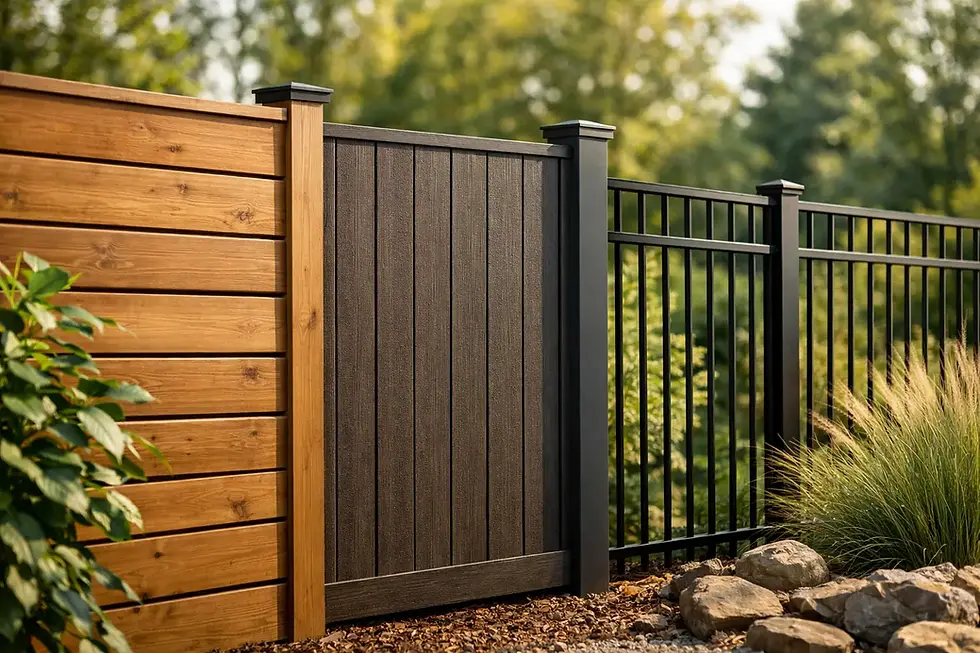
Ornamental aluminum is a popular choice around pools because it offers a polished appearance without blocking the view. Its open picket design lets parents and homeowners see the pool area from nearby windows, patios, and seating areas. Aluminum also resists rust, making it well suited to damp outdoor environments and routine exposure to poolside activity.
For many properties, aluminum offers the best balance of safety, curb appeal, and low maintenance. It is available in several heights and styles, so it can complement a traditional colonial home, a newer development, or a more contemporary backyard renovation. The trade-off is privacy. If your pool sits close to neighboring homes or a busy road, an open-style aluminum fence will not screen the space.
Vinyl for Privacy and a Clean Finish
Vinyl fencing can be an excellent option when homeowners want a pool enclosure that also creates backyard privacy. A solid vinyl panel can block views from adjacent properties, define an outdoor living area, and provide a crisp, consistent appearance with little routine upkeep. It does not need painting or staining, and quality material holds its color well.
The main consideration is pool visibility. A fully private enclosure can make it harder to see the water from outside the fenced area. In some yards, a combination approach works well: privacy fencing along the property lines and a more open aluminum section around the pool itself. This preserves privacy without sacrificing sightlines where they matter most.
Chain Link for Budget-Conscious Enclosures
Chain-link fencing remains a practical choice for homeowners, apartment communities, and commercial properties that need a durable, economical pool barrier. Vinyl-coated chain link provides a softer appearance than traditional galvanized material and is available in colors that blend more naturally with the landscape.
It is a functional option, but it usually does not deliver the same finished look as aluminum or vinyl. For a rental property, community pool, or a backyard where budget is the leading concern, chain link may be the right answer. For a high-visibility residential pool renovation, many owners prefer aluminum for its more refined appearance.
Wood When Privacy Is the Priority
Wood fencing gives a backyard warmth and privacy that other materials cannot always match. It can be customized in height and style, which is useful on irregular lots or properties with established landscaping. A wood perimeter fence may be part of the overall pool plan, particularly when neighbors are close by.
However, wood near a pool requires a realistic maintenance plan. Moisture, sun, and seasonal weather can lead to fading, movement, or the need for staining and repairs over time. Wood can serve the right property well, but homeowners should weigh its natural appearance against the upkeep involved.
Gates Are the Most Important Part of the Enclosure
The gate is where an enclosure succeeds or fails in everyday use. A pool gate should be self-closing, self-latching, and positioned so the latch is not easily reached or bypassed by a young child. It should close securely every time, even when someone is carrying towels, pool equipment, or groceries through the yard.
Gate swing direction matters, too. In many pool applications, gates should swing away from the pool area so a child leaning against the gate is less likely to push it open toward the water. Hardware needs to be chosen for the fence style, installed precisely, and checked periodically. A latch that was reliable when new can need adjustment after seasonal ground movement or years of regular use.
If the enclosure includes more than one entrance, every gate deserves the same attention. Service gates, side-yard gates, and access points near equipment pads should not become overlooked weak spots.
Layout Details That Affect Safety and Daily Use
The best fence design begins with the property itself. Grade changes, retaining walls, decks, patios, mature trees, drainage routes, and existing structures can all affect where a fence can be placed. On sloped ground, the installer may need to rack the panels, step the fence, or use a custom approach to avoid large gaps below the enclosure.
Consider how people will move through the space. You may want direct access from the house, but you may not want guests walking through the entire pool area to reach a grill or patio. Equipment access is another common issue. Pool technicians need room to reach pumps, filters, heaters, and utility connections without leaving gates open or removing fence sections.
For households with dogs, the pool enclosure should also be coordinated with the pet area. Some families prefer the dog to have free run of the yard but no access to the pool. Others want the pool enclosure integrated into the larger perimeter fence. Neither approach is automatically better. The right choice depends on how the family uses the yard and how consistently the pool area can be supervised.
Do Not Treat Code Compliance as the Finish Line
Meeting local requirements is essential, but a code-ready pool enclosure is only the starting point. A fence can meet the required dimensions and still be inconvenient, poorly located, or vulnerable to everyday habits. For example, patio furniture, storage bins, landscaping features, and adjacent structures can create climbable areas if they are placed too close to the fence.
Regular inspection is part of responsible pool ownership. Test each gate, check the latch, look for loose posts or damaged pickets, and keep objects that could be used for climbing away from the enclosure. If you have children or frequent young visitors, make these checks part of the routine at the beginning of each pool season.
Professional installation also protects the investment. Proper post depth, accurate alignment, secure hardware, and clean transitions around changes in grade all affect how the fence performs over time. With more than 10,000 completed projects, Ekren Fence Company understands that a pool enclosure has to look right on day one and operate safely through years of use.
A Better Way to Plan Your Pool Enclosure
Before choosing a style from a photo, walk the property and think through the real-life routine. Stand at the doors that lead outside. Look at the pool from the kitchen, family room, and patio. Identify where children play, where pets spend time, how the pool will be serviced, and where guests will enter. Those details often point clearly to the right material and gate placement.
A carefully planned pool fence lets the backyard stay welcoming without leaving safety to chance. The most valuable result is simple: a barrier you can rely on, a pool area that works for your family, and a property that feels finished rather than compromised.