Pool Fence Code Pennsylvania Homeowners Need to Know
- Ekren Fence

- 13 minutes ago
- 5 min read
A backyard pool changes how your family uses the property, but it also creates a serious safety responsibility. Understanding the pool fence code Pennsylvania homeowners may face before installation helps prevent failed inspections, expensive changes, and gaps in protection around the water.
For homeowners in Allentown, Bethlehem, Easton, and throughout the Lehigh Valley, the right approach is to plan the pool, barrier, gates, and permit requirements as one project. A fence that looks great but does not meet the applicable barrier requirements may need to be altered before the pool can be approved for use.
Pool Fence Code Pennsylvania Basics
Pennsylvania uses the Uniform Construction Code, commonly called the UCC, as the foundation for building requirements across the state. Pool barrier rules are generally based on the residential code provisions adopted by Pennsylvania, but the local municipality and its code official enforce the requirements. That distinction matters.
Your township, borough, or city may require a permit for the pool, the fence, or both. Local rules can also address setbacks, easements, drainage, location of equipment, and whether a fence needs to be installed before the pool is filled. Always confirm the currently enforced code edition and permit process with the authority having jurisdiction before ordering materials or starting excavation.
For most residential properties, a pool barrier is required around an outdoor swimming pool, spa, or hot tub that meets the code definition. This often includes pools capable of holding water more than 24 inches deep. An above-ground pool may qualify as its own barrier when its walls meet the required height, but access points such as ladders and decks still need compliant protection.
The purpose is straightforward: limit unsupervised access, especially by young children. That means a compliant pool fence is more than a property-line fence. Its height, spacing, climb resistance, gates, and relationship to the house all matter.
Common Pool Barrier Measurements and Features
While local verification is essential, residential pool barriers commonly follow several familiar measurements. The top of the barrier is typically required to be at least 48 inches above grade on the side facing away from the pool. Measurement details matter because a fence installed on a slope, along landscaping, or beside a raised patio can create lower spots that fail inspection.
Openings in the barrier generally cannot allow a 4-inch sphere to pass through. The clearance under the fence is also limited, commonly to 2 inches over non-solid ground such as grass or gravel. Larger clearance can be allowed over a solid surface in certain applications, but that should be confirmed for the specific project.
A fence must also resist easy climbing. With ornamental aluminum fencing, this often means choosing a design with the horizontal rails located on the pool side rather than the outside, where a child could use them as footholds. Decorative openings between rails may have tighter limits than the general 4-inch rule. Chain-link pool fencing can be acceptable, but mesh size and slats can affect compliance.
Solid vinyl fencing provides privacy and can work well as a pool barrier when properly designed and installed. It offers few climbing points and gives homeowners a clean, low-maintenance perimeter. The trade-off is that solid panels can block sightlines from the house to the pool, so many families choose a layout that combines privacy in selected areas with aluminum fencing where visibility is a priority.
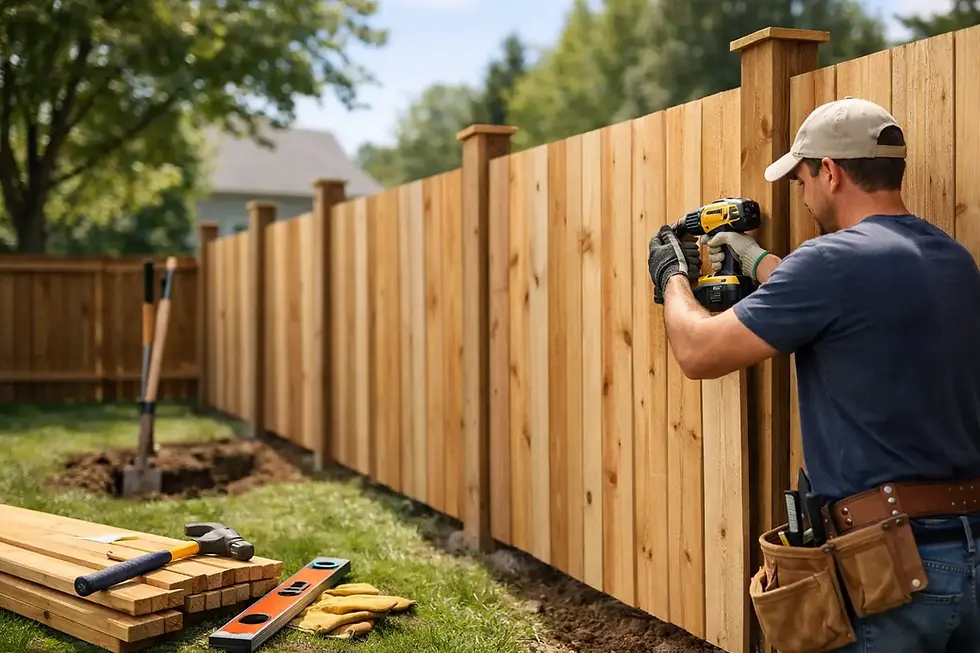
Wood fencing can also be used, provided it meets the required height, opening, and climb-resistance standards. Because wood can shrink, warp, or develop gaps over time, it needs regular inspection and maintenance. For long-term durability and a more open appearance, many Lehigh Valley homeowners choose aluminum pool fencing.
Gates need special attention
A pool gate is one of the most closely inspected parts of the enclosure. Gates are typically required to be self-closing and self-latching, and they should open away from the pool area. The latch must be positioned so a small child cannot easily reach and operate it. Depending on the gate design, that can mean installing the latch at least 54 inches above the ground or using approved shielding and placement on the pool side.
Do not assume a standard walk gate is automatically suitable for a pool enclosure. A properly installed self-closing hinge system, reliable latch, and correct gate swing are essential. The gate should return to the closed position from any reasonable open position, not only when it is gently released.
Service gates deserve the same attention. A wide double gate used for lawn equipment, deliveries, or pool maintenance can become a weak point if one leaf is not secured correctly. It should remain locked when not in use and meet the same barrier expectations as the rest of the enclosure.
When the House Forms Part of the Barrier
Many backyard pools sit close enough to the home that one or more exterior walls form part of the pool enclosure. This can be allowed under certain code provisions, but doors leading directly from the house to the pool area may require added safety measures, such as alarms or self-closing, self-latching hardware. Window access can also be a factor depending on the opening and its location.
This is an area where homeowners should avoid guesswork. A patio door, basement door, or door from a garage may seem secure, yet it can change the required barrier design. A fence contractor can help plan the enclosure, but the local code office should confirm the final requirements when the home is part of the barrier.
Permits, Inspections, and Local Requirements
The statewide code framework does not eliminate local review. Before installing a pool fence, ask your local municipality whether you need permits for the pool and fence separately, what drawings or site plans are required, and when inspections occur. Some jurisdictions want the barrier completed before a final pool inspection. Others have specific requirements for temporary protection during construction.
Zoning requirements are separate from pool safety requirements. A fence may satisfy barrier rules and still be too close to a property line, located within an easement, or taller than allowed in a front or side yard. Utility locations, septic systems, retaining walls, and drainage swales can affect where posts can safely be installed as well.
Commercial pools, apartment-community pools, fitness-center pools, and other public or semi-public facilities often face additional rules beyond a typical single-family backyard pool. These may involve accessibility, emergency access, signage, occupancy, sanitation requirements, or local health department oversight. A commercial property owner should plan for a more detailed review rather than relying on residential guidance.
Choosing a Fence That Supports Safety and Your Property
A good pool fence should meet the applicable code while fitting the way you use the backyard. Aluminum fencing is a popular choice because it is durable, low maintenance, and keeps sightlines open. Parents can see the pool from the patio or kitchen window more easily, and the fence can complement existing railings or landscaping.
Vinyl can be a strong choice where privacy from neighbors is the main concern. It is available in different styles and colors, but the layout should preserve practical access for pool service, emergency response, and daily use. Chain link is often a budget-conscious option for larger enclosures, particularly when function and durability take priority over a more decorative finish.
Professional installation makes a difference on sloped lots, near retaining walls, and around hardscape. Post depth, gate alignment, rackable panels, and the bottom clearance along uneven grade all affect whether the finished enclosure performs as intended. A fence that is level across a rolling yard can leave unsafe gaps at the bottom; a properly planned installation follows the grade while maintaining the required clearance.
With more than 10,000 completed projects, Ekren Fence Company helps Lehigh Valley property owners select and install pool fencing that balances safety, durability, appearance, and local project conditions. The first step is a site-specific plan, not a one-size-fits-all fence package.
Before your pool is ready for its first swim, walk the full perimeter with safety in mind: check every gate, inspect low spots below the fence, remove climbable furniture from the outside of the barrier, and confirm your local inspection requirements. That careful final look helps create a backyard built for enjoyable summers and dependable peace of mind.