

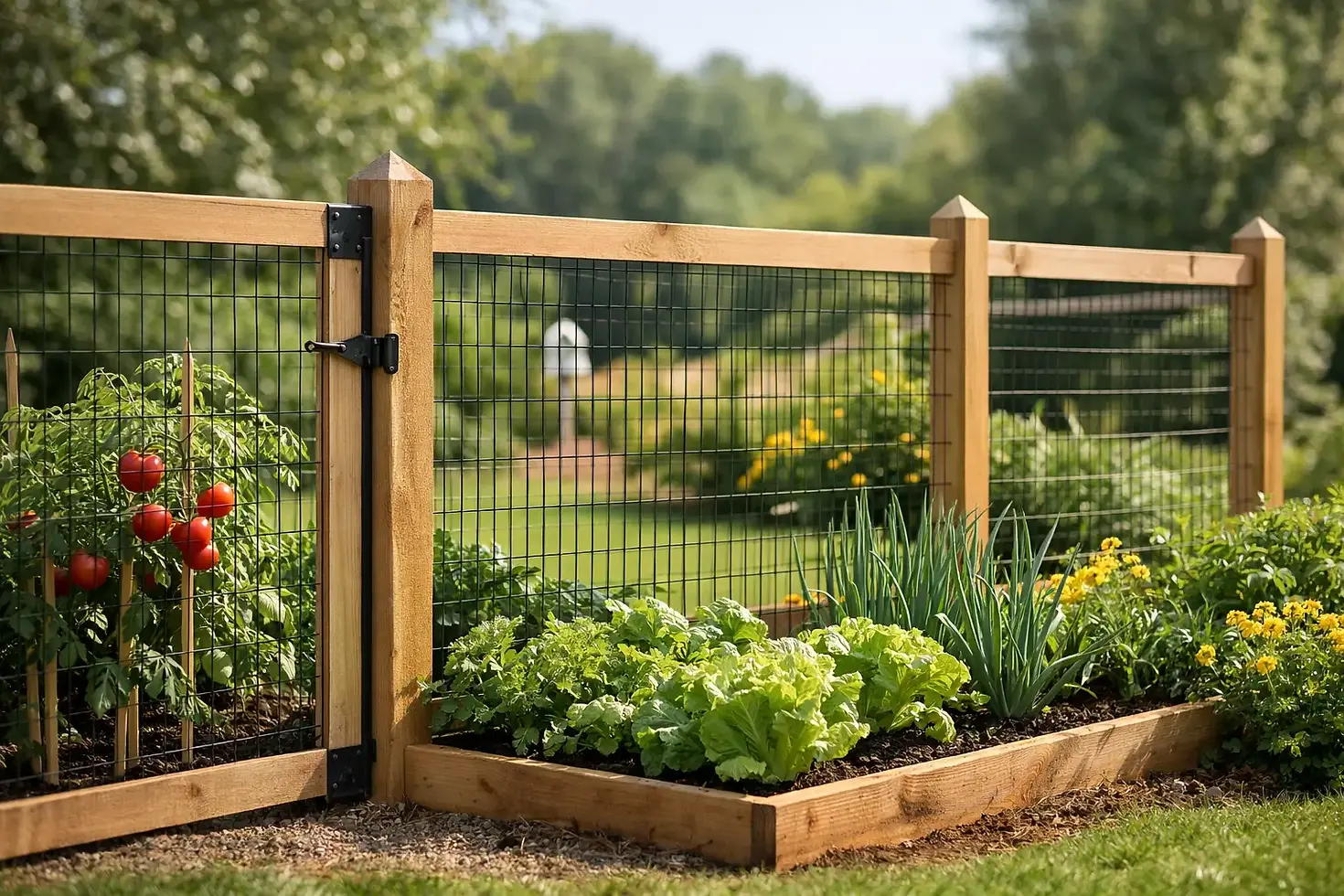
Best Fence for Garden Protection That Works
- Ekren Fence

- 11 hours ago
- 6 min read
A garden can look healthy at sunset and be picked clean by morning. In the Lehigh Valley, deer, rabbits, groundhogs, and even roaming pets can turn a season of planting into a frustrating cycle of replacement. The best fence for garden protection is the one designed around what is entering your yard, how your garden is used, and how the finished fence needs to look on your property.
A low decorative border may define planting beds, but it will not stop a hungry deer. A tall privacy fence may provide excellent coverage, yet it can shade vegetables if it is placed on the wrong side of the garden. Choosing well starts with a clear goal: keep out wildlife, contain pets, protect a productive vegetable garden, create privacy, or handle several of these needs at once.
Start With the Animal You Need to Stop
The right height, mesh opening, and fence material depend on the threat. Garden damage often offers clues. Cleanly clipped stems and missing leaves can point to deer, while plants chewed close to the ground may indicate rabbits or groundhogs. Holes and tunneled areas may call for protection below grade as well as above it.
Deer are usually the deciding factor for homeowners near wooded lots, open fields, or green corridors. They can clear a shorter fence with little effort, so a garden enclosure intended to reliably deter deer generally needs substantial height. Many properties benefit from a fence around 7 to 8 feet tall, depending on local conditions, layout, and the level of pressure from deer. A visible physical barrier is typically more dependable than seasonal sprays or repellents, especially when your garden contains plants deer return to repeatedly.
Rabbits need a different solution. They can pass through wide openings and work under a fence that does not meet the ground tightly. Smaller-mesh wire along the lower portion of the enclosure is often the practical answer. For groundhogs, consider extending fencing below grade or shaping the bottom outward underground to discourage digging. No single fence detail solves every animal problem, which is why identifying the damage before selecting a material matters.
Best Fence for Garden Protection by Material
Several fence types can protect a garden well. The best option depends less on a single “best” material and more on the balance between wildlife pressure, visibility, maintenance, budget, and the style of your home.
Chain Link for Reliable, Visible Protection
Chain-link fencing is one of the most practical choices for a full garden enclosure. It creates a strong physical barrier without blocking sunlight or airflow, and it works well for larger vegetable gardens, orchard areas, and utility-focused side yards. It can also be built at taller heights when deer protection is the priority.
For smaller animals, chain link may need a tighter wire mesh attached near the bottom. This added detail helps prevent rabbits from slipping through the openings and makes the enclosure more effective where animals dig. Black vinyl-coated chain link can be a good option for homeowners who want the durability of chain link with a less industrial appearance.
The trade-off is visibility. Chain link does not create privacy, and some homeowners prefer a fence that blends more closely with landscaping. Still, for clear sight lines, pet containment, and dependable garden security, it remains a value-focused choice.
Wood Fencing for Privacy and a Traditional Look
Wood fencing is a strong choice when your garden shares space with a patio, pool area, or backyard living area. A solid wood privacy fence can block deer, create a more secluded setting, and provide an attractive backdrop for flower beds and raised planters. It is especially useful when you want garden protection without making the yard feel like a separate fenced-off utility area.
A board-on-board or solid privacy design limits visibility through the fence, but the layout should account for sunlight. A tall solid fence placed south of a vegetable garden can cast significant shade during key growing periods. Placement, not just fence style, can affect how well tomatoes, peppers, and other sun-loving plants perform.
Wood offers flexibility in height and style, but it requires periodic care. Staining or sealing helps protect it from Pennsylvania weather, moisture, and normal aging. Homeowners who appreciate a natural appearance and are prepared for maintenance often find wood to be a worthwhile long-term choice.
Vinyl Fencing for Low-Maintenance Privacy
Vinyl privacy fencing provides many of the same garden-protection benefits as wood without the regular staining and sealing. It resists rot, insects, and moisture, making it a practical option for homeowners who want a clean, finished backyard boundary with less upkeep.
A solid vinyl fence can deter deer and keep pets out of planted areas, while also giving your garden a sheltered, private setting. It is available in styles that range from simple panels to more decorative designs with lattice accents. As with wood, plan carefully around shade and access. A well-placed gate is essential when you are moving wheelbarrows, mulch, soil, or larger garden equipment.
Vinyl is not always the best fit for gardens that need maximum airflow or visibility. It is also a higher initial investment than some wire fencing options. For a backyard where privacy, curb appeal, and garden protection all matter, however, it is often a strong match.
Aluminum Fencing for Defined Boundaries
Aluminum fencing adds a polished look around formal gardens, pool-adjacent landscaping, and front-yard planting areas. It is durable, low maintenance, and well suited for slopes because panels can follow uneven terrain. It defines space beautifully without closing off views.
Its limitation is animal exclusion. Standard aluminum picket spacing may not stop rabbits, and it does not prevent a determined deer from jumping over a shorter installation. Aluminum works best when the purpose is to protect gardens from pets, foot traffic, or casual access rather than heavy wildlife pressure. It can also be paired with discreet wire mesh where small-animal protection is needed.
Height, Digging, and Gates Matter as Much as Material
A fence is only as effective as its weakest detail. Height is critical for deer, but the bottom edge matters just as much for rabbits and groundhogs. Uneven ground can leave gaps that look small to a homeowner but are large enough for wildlife to use. Professional layout and installation help keep the fence aligned with the grade and properly secured.
Gates deserve the same attention. A garden gate should be wide enough for the equipment you actually use, easy to latch, and built to resist sagging. If deer are a concern, the gate needs to match the fence height and close securely. A gap beneath a gate can become an easy entry point for smaller animals.
For gardens near a driveway, side yard, or service area, access may be more important than homeowners first expect. A double gate can make deliveries of soil, compost, or firewood easier, while a standard walk gate may be all that is needed for a compact fenced garden. The right configuration prevents daily inconvenience after installation is complete.
Plan the Fence Around Your Garden’s Future
A fence should protect more than this year’s plants. Think about raised beds you may add, fruit trees that will mature, space for a shed, and the route you will use to bring in materials. Leave room to work around the outside of the garden where possible, and avoid placing fence lines so close to plants that maintenance becomes difficult.
Also consider drainage and grade. Water collecting along a fence line can affect posts, soil, and planting areas. In Allentown, Bethlehem, Easton, and surrounding communities, properties often have slopes, wooded edges, or changing soil conditions that influence the right installation approach. A site visit can identify issues that are hard to spot from a material sample or an online photo.
For a vegetable garden, sunlight should guide the plan. Keep taller solid fencing where it is least likely to shade the growing area, and use open fencing where light and airflow are priorities. For ornamental beds, appearance may carry more weight, making vinyl, wood, or aluminum a better fit than utility-style wire fencing.
When a Custom Solution Is Worth It
Many properties need more than an off-the-shelf fence panel. You may need tall deer protection along the rear property line, a shorter attractive boundary near the patio, and tighter mesh around a vegetable plot. Combining materials or adjusting the design to specific parts of the yard can provide better results than forcing one fence style to do everything.
Ekren Fence Company helps homeowners throughout the Lehigh Valley select and install fencing based on how their property is actually used. With more than 24 years of experience and 10,000-plus completed projects, the team can account for slopes, gate access, wildlife concerns, privacy needs, and the finish you want around your home.
The most dependable garden fence is one that fits your land, the animals in your area, and the way you plan to enjoy the space. A free on-site estimate gives you the opportunity to discuss materials, height, gate placement, and financing options before a small garden problem becomes a season-long one.


